E-Waste Pickup Services: Streamlining Your Recycling Process for a Greener Tomorrow
Electronic waste pickup solutions are revolutionizing the way individuals and organizations handle recycling. These solutions streamline the disposal process while maintaining environmental compliance. They not only lessen the difficulty of hauling heavy electronic equipment but also promote eco-friendly practices. As consumers continue to prioritize green alternatives, comprehending the intricacies of these services becomes critical. What factors should one consider when choosing an e-waste pickup provider? What you discover could be unexpected.
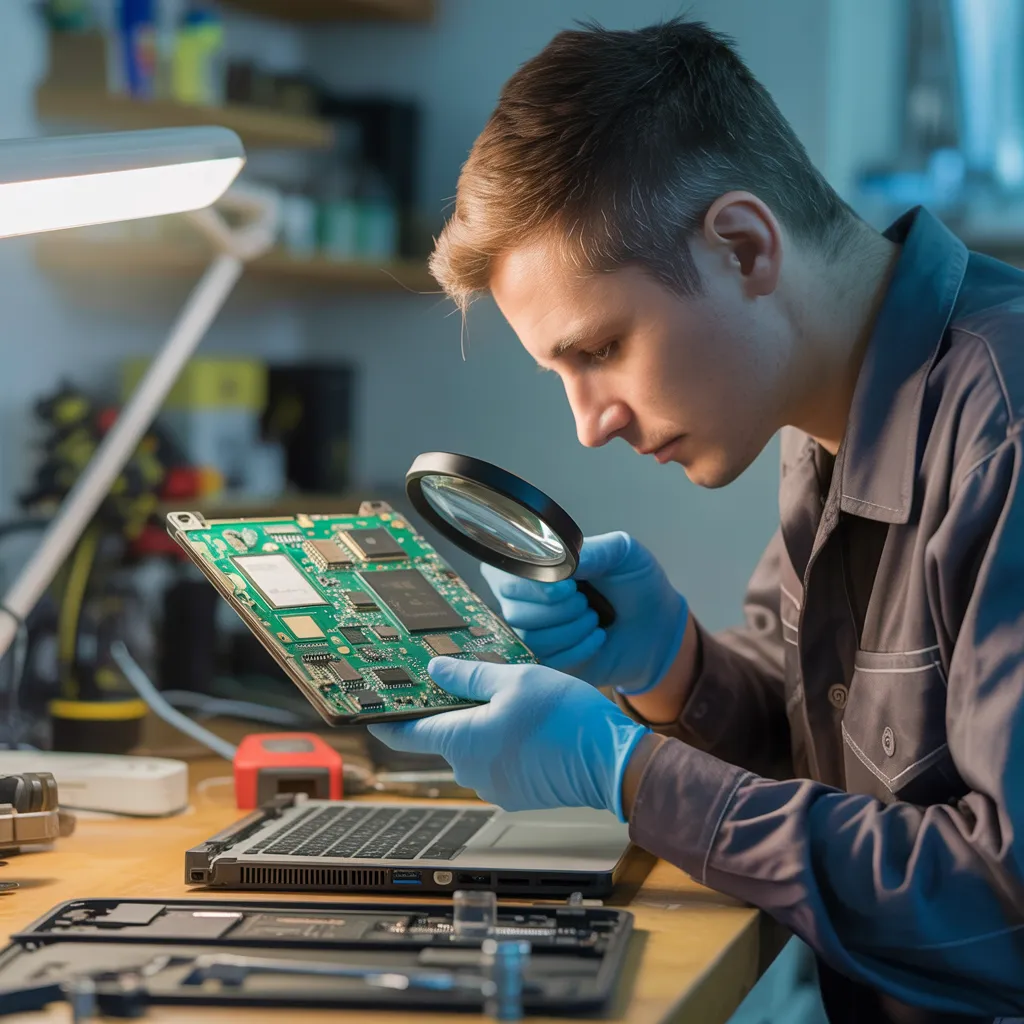
How E-Waste Pickup Mitigates Environmental Impact
Electronic waste pickup services serve a critical role in minimizing the environmental effects of disposed electronics, as they enable the proper disposal and recycling of hazardous materials. These programs help stop dangerous chemicals, such as mercury, lead, and cadmium, from polluting soil and water sources. By effectively collecting and moving e-waste, they guarantee that harmful components are handled in alignment with environmental standards.
Furthermore, electronic waste pickup services support material recovery by redirecting valuable materials, including gold, silver, and copper, into the production cycle again. This minimizes the demand for freshly sourced raw materials, thus conserving natural resources and limiting energy expenditure linked to the mining and processing of materials.
Furthermore, these programs enhance public awareness about the value of responsible e-waste management, prompting businesses and individuals to adopt eco-friendly practices. On the whole, e-waste pickup services greatly advance a more sustainable and healthier environment by addressing the issues created by electronic waste.
Perks of Using E-Waste Collection Services
Electronic waste pickup services offer considerable benefits for individuals and businesses alike. These solutions offer practical pickup options, simplifying the disposal of old electronics. Additionally, they ensure environmentally responsible disposal practices, working to minimize the environmental impact of electronic waste.
Flexible Collection Methods
For individuals and businesses looking to responsibly dispose of electronic waste, using pickup services provides a convenient solution. Such services supply adaptable collection choices that accommodate various timetables and demands. Users can typically select from a range of pickup times suited to both home and business locations. This removes the hassle of hauling heavy items to recycling facilities, preserving precious time and energy. Furthermore, numerous e-waste collection services provide same-day or pre-scheduled pickups, improving convenience. By streamlining the collection process, these services encourage more people to recycle their electronic devices, ultimately reducing the environmental impact of e-waste. The simplicity of booking and pickup encourages proper disposal habits, establishing it as an ideal option for those seeking to support a more sustainable future.
Eco-Friendly Disposal Methods
Using e-waste collection solutions guarantees that electronic devices are managed with environmental responsibility. These services specialize in handling a wide range of electronic waste, ensuring that harmful substances, including lead and mercury do not enter landfills. Through the use of certified recyclers, electronic waste collection services support resource preservation via the reclamation of valuable materials, lessening the demand for virgin raw materials. Additionally, such services frequently adhere to local and international regulations, advancing eco-friendly practices. Businesses and individuals gain from the convenience of scheduled pickups, easing the challenge of moving large items. In the end, adopting environmentally responsible disposal through e-waste collection services cultivates a mindset of sustainability, promoting conscientious consumer habits and minimizing ecological impact.
What Are the Expectations for E-Waste Pickup?
What should one anticipate during an e-waste pickup? Customers can look forward to an efficient process focused on ensuring responsible e-waste recycling. Initially, a scheduled appointment will be confirmed, allowing for convenient planning. During the scheduled pickup, a professional team will show up ready to manage numerous types of electronic equipment, ensuring secure transport and a hassle-free process.
Customers are advised to prepare their e-waste by sorting items that need to be collected, as this may speed up the collection process. The collection crew may provide guidance on what can and cannot be accepted. Precautionary protocols are frequently implemented, including protective gear and proper handling techniques for hazardous materials.
In addition, transparency is of utmost importance; customers may receive a confirmation or receipt of the items collected, emphasizing the commitment to responsible disposal. Ultimately, the e-waste collection service works to make easier the recycling experience while promoting eco-friendly practices.
Important Considerations for Picking an E-Waste Pickup Service
How can one guarantee they choose the right e-waste pickup service? Choosing the right service demands thorough evaluation of a number of important factors. To begin, it is essential to confirm the service's credentials and adherence to both local and national environmental standards. This guarantees that e-waste is handled responsibly and legally. Additionally, evaluating the company's standing through client feedback and testimonials offers valuable perspective on their dependability and expertise.
Additionally, considering the breadth of services available can be helpful; a comprehensive service might offer data destruction, recycling, and refurbishment choices. Furthermore, clarity in pricing is essential; honest, upfront rates help eliminate unforeseen expenses. Ultimately, evaluate the organization's responsiveness and customer support, as open communication promotes a more efficient pickup encounter. By concentrating on these standards, individuals and businesses can confidently select an e-waste pickup service that aligns with their sustainability goals.
Ready to Schedule Your E-Waste Pickup?
When is the best time to schedule an e-waste pickup? Choosing the right time can have a major impact on the overall efficiency of the recycling process. Ideally, individuals should consider scheduling pickups during weekdays when service providers often have more availability. Morning hours or late afternoon slots can also be beneficial, since these periods generally see reduced traffic, enabling faster service.
Moreover, advance planning is crucial. Customers should aim to book pickups several days in advance, especially during peak seasons or community recycling events. This confirms that the preferred service can address individual needs and expectations.
Furthermore, matching the retrieval with routine home tasks or organization activities can optimize the procedure. By scheduling the e-waste collection with everyday routines, households can ensure the recycling process is smoother and more convenient. At the core, deliberate timing fosters a more effective e-waste collection journey, fostering a devotion to environmental sustainability.
What Does the Future Hold for E-Waste Recycling?
As the e-waste challenge becomes increasingly severe, emerging recycling technologies are set to revolutionize the sector. Expected regulatory developments could significantly strengthen recycling initiatives, while innovative collection methods promise to make e-waste disposal more accessible. Together, these developments could greatly improve the efficiency and effectiveness of e-waste recycling practices.
Next-Generation Technologies in Recycling
Innovations in technological development are set to reshape e-waste recycling, enhancing efficiency and sustainability. Sophisticated robotic systems and automated sorting technologies are continually being adopted by recycling facilities, enabling the precise separation of recoverable resources Request a quote from electronic waste. AI technology serves a vital function in enhancing these procedures, enabling real-time decision-making and enhancing recovery rates. Additionally, innovative approaches such as hydrometallurgy and biotechnological approaches have the potential to extract precious metals with minimal environmental impact. Distributed copyright technology is also being explored for overseeing e-waste during the recycling process, ensuring transparency and accountability. As these developments progress, they will considerably lower the ecological footprint of e-waste disposal, establishing the groundwork for a more sustainable future in electronic recycling.
Changes to Policy Are Coming
Policymakers are moving forward with major regulatory reforms aimed at enhancing the management of electronic waste recycling. These measures seek to tackle the escalating issues associated with electronic waste disposal and its ecological consequences. Proposed regulations include tighter standards for electronics makers related to overseeing product end-of-life processes, motivating them to create recyclable products. Furthermore, rewards for customers to bring back used devices are actively being explored, fostering a culture of responsible disposal. Officials may further expand budget allocations for e-waste collection initiatives, aiming to expand access and efficiency in electronic waste gathering. By promoting transparency and accountability in the recycling process, policymakers hope to reduce landfill contributions while enhancing material reclamation, thereby paving the way for a greener strategy for managing e-waste going forward.
Creative Collection Approaches
Transforming e-waste gathering strategies is essential for boosting the efficiency and accessibility of recycling. Innovative technologies, such as digital platforms, enable scheduled collections, enabling consumers to arrange flexible pickup schedules. Furthermore, collaborations with nearby businesses and community hubs establish dedicated disposal sites, increasing the convenience of recycling. Advanced bins equipped with sensors can assess storage capacity, guaranteeing prompt pickups and minimizing operational hurdles. Additionally, gamification strategies promote involvement by rewarding individuals or communities for their recycling efforts. Such innovations not only streamline the collection process but also promote understanding of proper electronic waste management. As such progressive approaches become widespread, they offer a greener path forward for electronic waste recycling, thereby fostering a healthier environment.
Frequently Asked Questions
What Categories of E-Waste Can Be Picked Up?
E-waste pickup services typically accept items such as outdated computers, TVs, smartphones, tablets, printers, and assorted electronic accessories. Such services are designed to properly recycle and manage electronic equipment in an eco-conscious way.
What Fees Are Associated With E-Waste Pickup Services?
Costs for e-scrap pickup solutions can vary based on location and the kind of electronics being picked up. Some services may offer free pickups, while other providers may apply charges based on the volume or specific items.
How Is Data Security Maintained During E-Waste Disposal?
Data protection during e-waste disposal is ensured via methods such as data wiping, physical destruction of storage devices, and certification from reputable recyclers, securing critical information and deterring unauthorized access to individual and organizational data.
Can Businesses Use E-Waste Pickup Services Too?
Yes, businesses can make use of electronic waste collection services. These services are designed specifically for businesses, guaranteeing the proper disposal and recycling of electronic devices while promoting environmental responsibility and compliance with regulations regarding safe e-waste management practices.
What Occurs with E-Waste Once It Has Been Collected?
After e-waste is retrieved, it is carefully sorted to identify recyclable materials, followed by dismantling and refinement. Harmful components are responsibly disposed of, while recoverable metals and plastics are repurposed, supporting sustainable resource management initiatives.